
Oxycodone Misuse: Health Risks, Side Effects and Warning Signs
Table of Contents
Oxycodone misuse can lead to a range of severe health risks, including cardiac issues, respiratory problems, overdose, and even death.
When a person takes a medication in a different way than it was originally prescribed, it is known as substance misuse. Opioids, including oxycodone, are pain-relieving medications that are often misused.[1]
Researchers say a third of people who misuse opioids started with prescription painkillers.[2] Since oxycodone is so widely prescribed for everything from dental pain to broken bones, it's relatively easy for people to begin their drug use with this medication. Oxycodone has an abuse potential similar to other opioids like heroin.[3]Of people entering treatment programs for OUD, more than 21% have used at least one oxycodone or a similar prescription pill within the last 30 days.[4]
What Is Oxycodone?
Oxycodone is an opioid drug that is sometimes prescribed as a pain reliever. This medication comes as pills, tablets, or a liquid. Oxycodone is sold under brand names like OxyContin, Percodan, and Tylox.[5]
Oxycodone attaches to receptor proteins located within nerve cells in the brain and body, triggering the release of neurotransmitters (brain chemicals) like dopamine, which creates feelings of pleasure and reinforces behaviors that lead to a reward and addiction.[6]
Oxycodone can also cause “high” symptoms that include feelings of euphoria and increased relaxation.[5]
Oxycodone Side Effects

Oxycodone causes plenty of side effects, including some that are short term and others that persist for the long term.
Short-Term Side Effects
The most common side effects of oxycodone include the following:[6]
- Constipation
- Feelings of weakness or dizziness
- Tiredness
- Dry mouth
- Headaches
- Itching
- Sweating
- Nausea or vomiting
Oxycodone can also cause several other problems with different organs of the body. When you take oxycodone, you may notice heart palpitations, skin rashes or itching, abdominal pain, diarrhea, feelings of confusion or irritability, hallucinations, or seizures. [6]
Long-Term Side Effects
Some people who use oxycodone develop tolerance to or physical dependence on the drug.
Tolerance occurs when your body gets used to oxycodone, and you need to use more to feel the same effect. Dependence happens when you experience withdrawal symptoms when discontinuing the drug. You can become tolerant to or dependent on oxycodone whether you take it with a prescription or misuse it.[7]
If you depend on oxycodone and stop taking it, you may experience withdrawal.
Some of the symptoms of oxycodone withdrawal include the following:[8]
- Sweating or chills
- Aches and pains
- Restlessness
- Rapid heart rate
- Fast breathing rate
- Weakness
- Yawning
- Watery eyes
- Sneezing
- Runny nose
- Nausea or vomiting
- Diarrhea
- Sleeping problems
- Feelings of irritability, anxiety, or depression
Misusing oxycodone can lead to opioid use disorder (OUD), a condition in which a person continues to take oxycodone despite experiencing negative life or health consequences. Several symptoms may signal that you have an OUD, such as these:[9]
- Using oxycodone despite having problems with health or maintaining relationships
- Having trouble keeping up with responsibilities at work, school, or home
- Spending less time doing activities you used to enjoy
- Spending a lot of time getting, using, or recovering from oxycodone
- Using more oxycodone than you meant to
- Craving oxycodone regularly
- Experiencing physical symptoms of oxycodone tolerance or withdrawal
Misusing Oxycodone
Oxycodone is legal when prescribed by a doctor. When your doctor prescribes this medication, they will tell you exactly how and when to use it and what dose you should take. It is important to follow these instructions carefully. Ask your doctor or pharmacist to clarify any instructions you don’t understand.
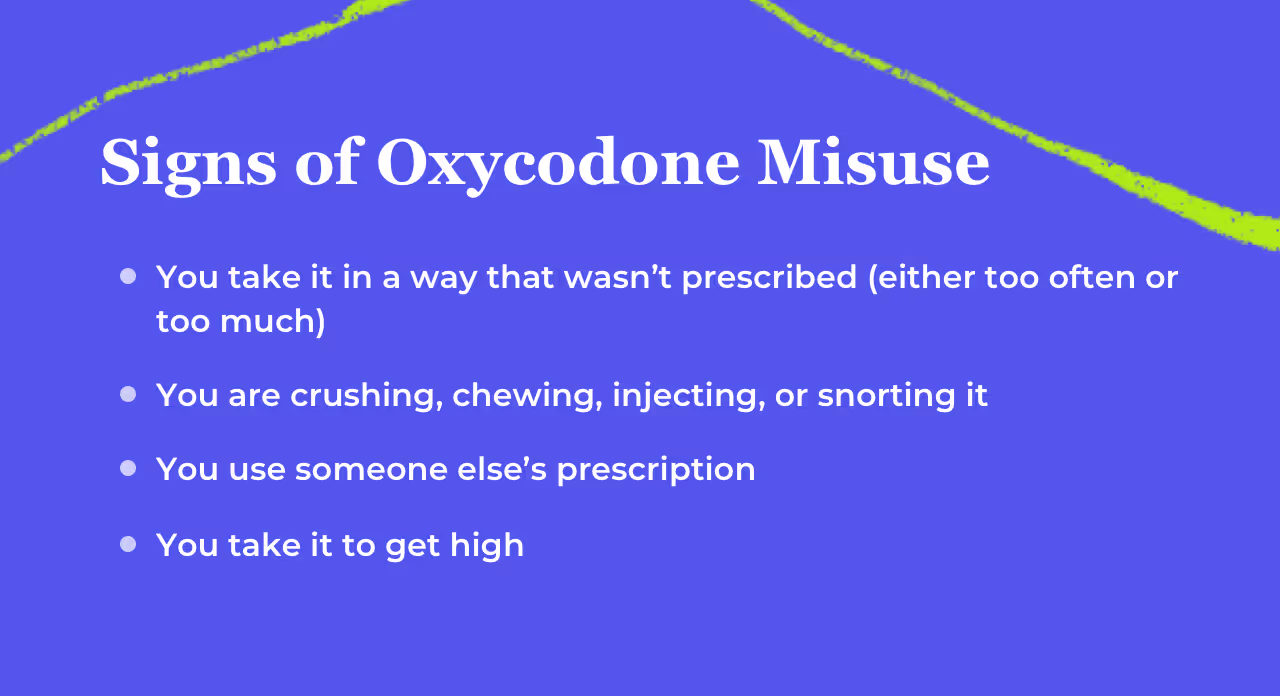
When you’re not using oxycodone as directed, you may be misusing it. Misuse occurs in these situations:[7]
- You take oxycodone in a way that wasn’t prescribed, including taking a higher dose or using the medication more frequently than recommended.
- You are crushing, chewing, injecting, or snorting oxycodone rather than using it in the prescribed way.
- You use someone else’s oxycodone prescription.
- You take oxycodone to get high and not just for pain.
Can You Overdose on Oxycodone?
Yes. Oxycodone is a powerful sedative drug. Take too much at once, and you could overdose.
In 2020, close to 92,000 drug overdose deaths happened in the United States. Opioids are responsible for close to 75% of those deaths.[10]
Signs of an oxycodone overdose include the following:
- A slow heartbeat
- Low blood pressure, which may cause dizziness, blurry vision, nausea, trouble focusing, or fainting
- Slow breathing
- Small pupils
- Extreme sleepiness
- Limp muscles
- Clammy skin
Oxycodone overdoses can be treated with naloxone, sold under the brand name Narcan.
Naloxone blocks the effects of opioid drugs. If you or a loved one overdoses on oxycodone, someone should administer naloxone immediately and then call 911 to receive emergency medical care. If overdose symptoms return, a second dose of naloxone can be given.[8]
How Is Oxycodone Dependence Treated?
Medication for Addiction Treatment (MAT) can be used when a person is dependent on opioids.
Medications like buprenorphine and methadone attach to the same receptor proteins in the brain that opioid drugs bind to, blocking the opioids’ effects.
The most commonly used medication for MAT is Suboxone, a combination of buprenorphine and naloxone.[9]
Mental health treatment options such as cognitive behavioral therapy (CBT) can also be useful in treating OUD. This therapy can help people change their beliefs and behaviors surrounding oxycodone use and learn how to manage stress more effectively.
Other treatments, such as non-opioid medications, physical therapy, etc. can also help people better manage chronic pain if that is why they began using oxycodone in the first place.
How Bicycle Health Can Help With Oxycodone Dependence
Bicycle Health uses Suboxone as a primary medication for dealing with opioid dependence. To learn more about the benefits and the effects of Suboxone, schedule a time to speak with one of our MAT professionals, or call us today at (844) 943-2514.
- Oxycodone
- Side Effects
Sources
- Misuse of Prescription Drugs Research Report. National Institute on Drug Abuse. https://nida.nih.gov/publications/research-reports/misuse-prescription-drugs/overview. June 2020. Accessed January 2023.
- Oxycodone in the Opioid Epidemic: High 'Liking,' 'Wanting," and Abuse Liability. Cellular and Molecular Neurobiology. https://link.springer.com/article/10.1007/s10571-020-01013-y. November 2020. Accessed January 2023.
- A Multifaceted Analysis of Oxycodone Addiction. International Journal of Mental Health and Addiction. https://link.springer.com/article/10.1007/s11469-017-9827-y. November 2017. Accessed January 2023.
- Nonmedical Use of Xtampza ER and Other Oxycodone Medications in Adults Evaluated for Substance Abuse Treatment: Real-World Data from the Addiction Severity Index-Multimedia Version. Journal of Pain Research. https://www.ncbi.nlm.nih.gov/pmc/articles/PMC8214548/. June 2021. Accessed January 2023.
- Oxycodone. United States Drug Enforcement Administration. https://www.dea.gov/factsheets/oxycodone. Accessed January 2023.
- Oxycodone. StatPearls. https://www.ncbi.nlm.nih.gov/books/NBK482226/. August 2022. Accessed January 2023.
- Prescription Opioids DrugFacts. National Institute on Drug Abuse. https://nida.nih.gov/publications/drugfacts/prescription-opioids. June 2021. Accessed January 2023.
- Oxycodone. U.S. National Library of Medicine. https://medlineplus.gov/druginfo/meds/a682132.html. February 2021. Accessed January 2023.
- Opioid Use Disorder. StatPearls. https://www.ncbi.nlm.nih.gov/books/NBK553166/. June 2022. Accessed January 2023.
- Death Rate Maps and Graphs. Centers for Disease Control and Prevention. https://www.cdc.gov/drugoverdose/deaths/index.html. June 2022. Accessed January 2023.