
Does Tramadol Cause Headaches? | How to Avoid & Prepare


Table of Contents
Tramadol can cause headaches as a side effect. In fact, according to clinical studies, headaches are reported in up to 32% of individuals who use the drug.[1]
Why Headaches Are a Common Side Effect of Tramadol
Headaches are among the more frequently reported side effects of tramadol due to its complex interactions with both the central nervous system and neurotransmitter systems.[1] Its primary action is to bind to mu opioid receptors and limit the perception of pain. In this process, it can alter levels of different chemicals in the system, causing a headache when the user is not used to having the drug in their system.
Tramadol can affect other receptors and neurotransmitters like serotonin and norepinephrine.[2] The increase in serotonin activity and the associated impact on blood vessel constriction can often have adverse effects, such as triggering a headache.
Because tramadol alters neurotransmitter activity to change how pain is processed and sensory perception, headaches may occur as a result of this change.[1]
Individual sensitivity levels to tramadol specifically and opioids in general play a role in why some people develop headaches when taking the drug and others don’t. Those who are prone to headaches in general, people who have a hard time processing opioids, and those who are on other medications or have underlying conditions may be more likely to develop headaches after tramadol use.
Tramadol & Migraines
It is not recommended to use tramadol for the purposes of treating chronic migraine headaches. Despite this, some physicians use it with triptans in an attempt to shorten migraine attacks and limit further attacks.[6]
When it doesn’t work, however, it can mean that headaches worsen. The only recourse is to stop use of tramadol immediately.
How Long Do Headaches From Tramadol Last?
The duration of headaches from tramadol can vary among individuals. Most headaches should subside within several hours to a day of taking tramadol.
However, individual reactions vary, as they do with all side effects from opioids and other medications. Some individuals may continue experiencing headaches for longer periods.
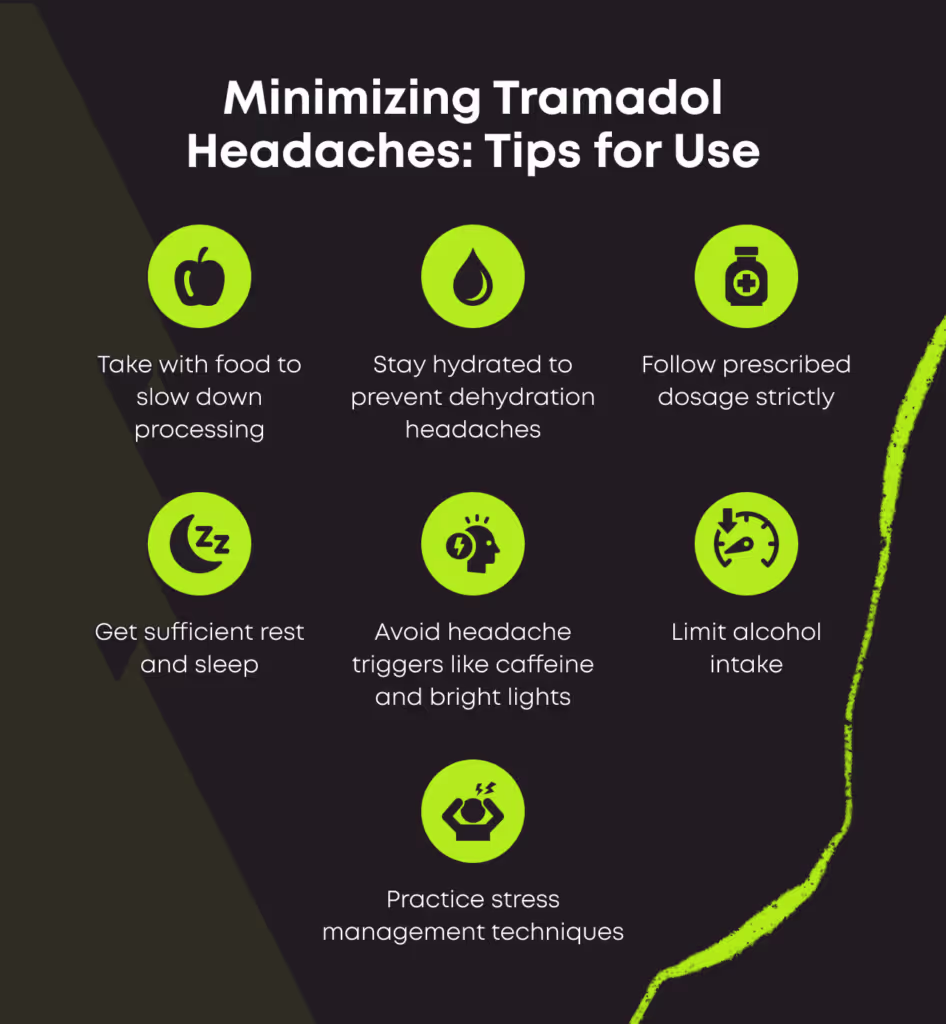
Tips for Avoiding Headaches From Tramadol Use
Though there is no surefire way to avoid developing a headache with tramadol use if you are prone to it, there are some things you can do to minimize the risk. Try these approaches:[7]
- Take tramadol with food. Consuming tramadol alongside food may slow down its processing and minimize headache risk.
- Stay hydrated. Dehydration has been known to contribute to headaches even without tramadol. Staying well hydrated throughout the day can help to prevent the problem.
- Stick with your healthcare provider's prescribed dose. Adherence to your healthcare provider's recommended dosage can reduce side effects that may come with overuse or misuse of the drug.
- Rest and sleep. Get enough rest and sleep to support your body in managing medication side effects. Sufficient rest will also help you to better manage the pain for which you are taking tramadol.
- Avoid potential triggers. To reduce headache risk, avoid excessive caffeine intake, bright light and staring at computer screens for too long. Consider other habits that can trigger headaches on their own, and aim to limit these while taking tramadol.
- Limit or avoid alcohol intake. Avoid drinking alcohol while on tramadol, as this increases the risk of headaches and other adverse side effects, such as respiratory depression, coma and overdose, which can be fatal.[3]
- Practice mindfulness techniques. Relaxation techniques, such as meditation or yoga, can help to manage stress levels and prevent headaches from developing.
- Talk to the prescribing doctor. If headaches are persistent, speak to your doctor. They may explore alternative pain management techniques or adapt your treatment plan, so you are more comfortable.
When to Contact a Doctor About Tramadol Side Effects
When taking tramadol, if any of the following symptoms develop, seek medical advice immediately. These issues might indicate more serious conditions or require urgent medical care. Potentially dangerous side effects of tramadol include the following:[1,3-5]
- Trouble breathing, shortness of breath or shallow breathing
- Allergic reactions, such as rashes, itching, facial swelling (especially around the face or throat area), dizziness or difficulty swallowing while eating or drinking
- Signs of elevated blood pressure, such as severe headaches, blurry vision, chest pain or feeling confused
- Seizure or convulsions
- Feeling extremely sleepy, confused or having difficulty remaining alert and staying awake
- Experiencing symptoms of serotonin syndrome, such as hallucinations
- Rapid heartbeat, fever, muscle stiffness or coordination issues
- Signs of overdose, such as difficulty breathing, slow heart rate and fighting to remain consciousness
How Bicycle Health Can Help
If you’ve been using tramadol for an extended period of time, it’s likely that dependence has formed. If you’ve been misusing the drug, you may have an opioid use disorder (OUD). If you suddenly stop taking tramadol, you’ll enter withdrawal.
Bicycle Health understands the challenges associated with overcoming OUD. We can help you to safely stop misusing tramadol through our comprehensive Medication for Addiction Treatment (MAT) program.
Call now to find out more information about how Suboxone can ease tramadol withdrawal symptoms and control cravings for the drug. We’re ready to get you started on treatment via our telehealth offerings today.
- Tramadol
Peter Manza, PhD
Peter Manza, PhD received his BA in Psychology and Biology from the University of Rochester and his PhD in Integrative Neuroscience at Stony Brook University. He is currently working as a research scientist in Washington, DC. His research focuses on the role of the brain dopamine system in substance use disorders and in aging. He also studies brain function in obesity and eating disorders.
Sources
- Ultram – tramadol hydrochloride tablet, Coated. Janssen Pharmaceuticals, Inc. Published March 2023. Accessed August 6, 2023. https://dailymed.nlm.nih.gov/dailymed/drugInfo.cfm?setid=45f59e6f-1794-40a4-8f8b-3a9415924468#S5.4
- Aminiahidashti H, Shafiee S, Mousavi SJ, Hajiaghaei G. Tramadol pill alone may cause serotonin syndrome. Chinese Medical Journal. 2016;129(7):877-878. doi:10.4103/0366-6999.178957
- Tramadol. National Drug & Alcohol Research Centre. Accessed August 6, 2023. https://ndarc.med.unsw.edu.au/resource/tramadol
- Emergency department visits for adverse reactions involving the pain medication tramadol. Substance Abuse and Mental Health Services Administration. Published May 2015. Accessed August 6, 2023. https://www.samhsa.gov/data/sites/default/files/report_1965/ShortReport-1965.html
- Volpi-Abadie J, Kaye AM, Kaye AD. Serotonin syndrome. The Ochsner Journal. 2013;13(4):533-540.
- Beware tramadol for headaches: overnight withdrawal? The People’s Pharmacy. Published August 2020. Accessed August 8, 2023. https://www.peoplespharmacy.com/articles/beware-tramadol-for-headaches-overnight-withdrawal
- Side effects of tramadol. NHS. Accessed August 22, 2023. https://www.nhs.uk/medicines/tramadol/side-effects-of-tramadol/